Common Dental Myths
By Dr. Minal Patil
B.D.S, M.D.S. (Periodontist And Implantologist)
Clogged Arteries in Brain (Stroke): Causes, Risk Factors, and Treatment
Table of Content
- Causes of Clogged Arteries in the Brain
- Symptoms of Clogged Arteries in the Brain (BE-FAST)
- How do you Clear Clocked Arteries Without Surgery?
- How Serious is a Clocked Artery in the Brain?
- What are the Warning Signs of Clogged Arteries?
- Can Artery Blockage go away Naturally?
- Risk Factors for Clogged Arteries in the Brain
- Treatment for Clogged Arteries in the Brain
- Complications of Clogged Arteries in the Brain
- Prevention of Clogged Arteries in the Brain
- Outlook for People Suffering from Clogged Arteries in the Brain
Clogged Arteries in the Brain
The brain is the major organ of the human body that controls the functions of other body parts. A carotid artery is located on each side of the neck and these supply blood to the brain. If there is a blockage in any one of the carotid arteries, the blood supply to the brain is disrupted. This is the most common cause of stroke.
Causes of Clogged Arteries in the Brain
The main cause of clogged arteries in the brain is the building of plaque in the arteries. Plaques may be formed from proteins, fats, calcium, and waste cells.
Plaque formation narrows down the arteries, and the arteries will become hard and less flexible. This reduces the flow of blood to the brain. Clogged arteries may also occur due to other diseases that can damage the arteries.
Symptoms of Clogged Arteries in the Brain (BE-FAST)
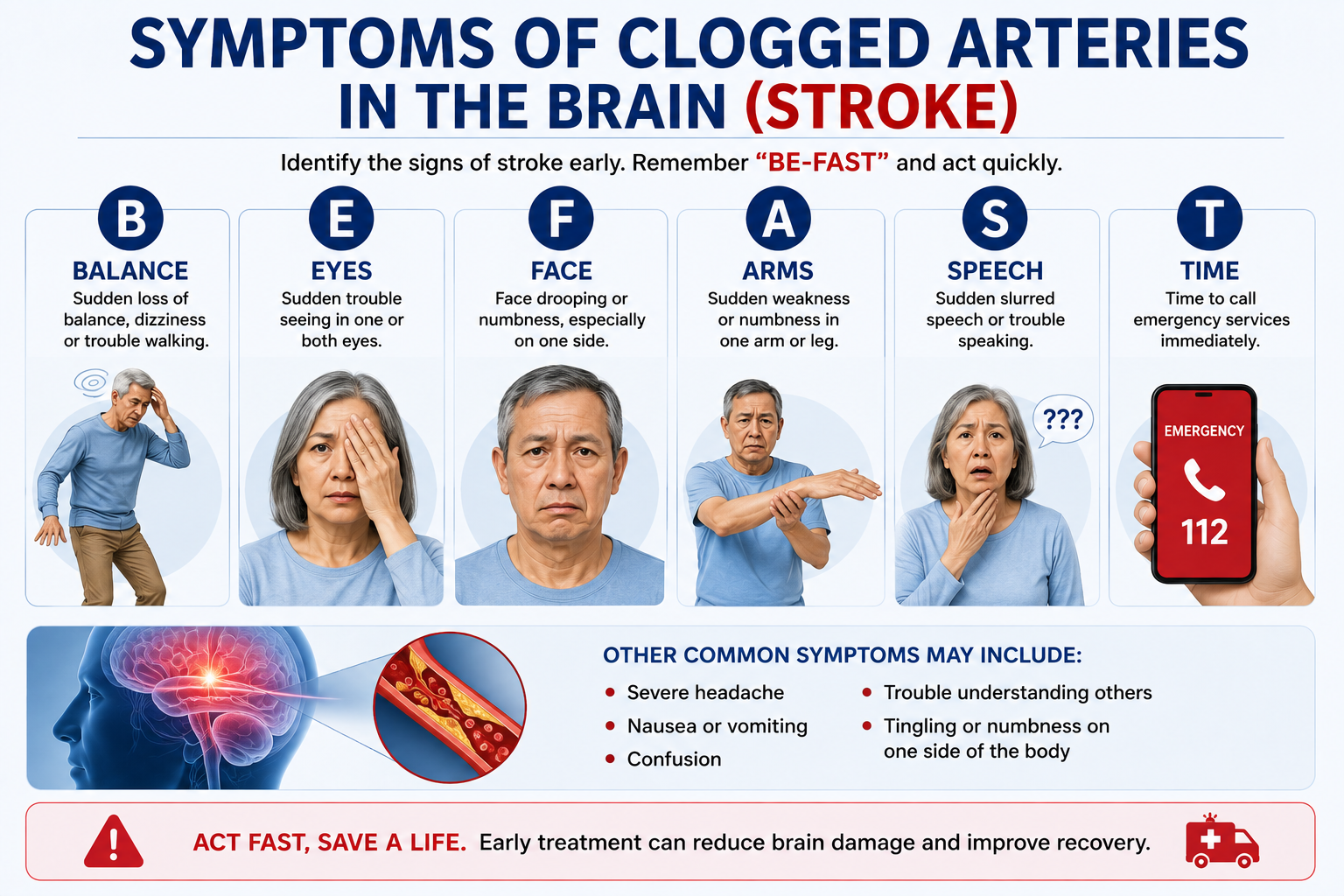
A person may experience symptoms only when the arteries become clogged. A person can suffer a stroke when the arteries supplying the brain become completely blocked. A person may experience the following symptoms of a brain blockage due to a sudden stroke:
- Difficulty in speaking and understanding
- Weakness in the legs, arms, and face
- Dizziness and vertigo
- Drooping of the face on one side
- Severe pain in the head
How do you Clear Clocked Arteries Without Surgery?
Clearing blocked arteries without surgery can sometimes be achieved through lifestyle changes and medications. Lifestyle modifications include adopting a heart-healthy diet low in saturated fats, cholesterol, and sodium, regular exercise, quitting smoking, managing stress, and controlling other health conditions like high blood pressure, diabetes, and obesity. Medications such as statins, antiplatelet drugs, and blood thinners may be prescribed to manage cholesterol levels, prevent blood clots, and improve blood flow.
How Serious is a Clocked Artery in the Brain?
A blocked artery in the brain is a severe condition that can lead to a stroke. When blood flow to the brain is interrupted due to a blockage, brain cells can be damaged or die within minutes. The severity of the blockage determines the extent of the damage and the resulting symptoms.
What are the Warning Signs of Clogged Arteries?
Warning signs of clogged arteries (atherosclerosis) can vary depending on the affected arteries. Common symptoms include chest pain or pressure (angina), shortness of breath, heart palpitations, weakness or numbness in the limbs, pain in the neck, jaw, throat, or abdomen, and sometimes loss of consciousness.
Can Artery Blockage go away Naturally?
While lifestyle changes and medications can help manage and slow down the progression of artery blockage, complete natural resolution of significant blockages is less common. Lifestyle changes can help prevent further blockage buildup, but severe blockages often require medical intervention such as angioplasty, stent placement, or bypass surgery to restore blood flow to the affected area. It’s essential to seek medical attention if you suspect artery blockage to prevent serious complications like heart attack or stroke.
Risk Factors for Clogged Arteries in the Brain
Some people are at an increased risk of developing clogged arteries. The risk factors for clogged or blocked artery in brain include the following:
- People suffering from high blood pressure are at a greater risk because high blood pressure makes the arteries weak, due to which the arteries can get damaged easily.
- High blood cholesterol is another risk factor for causing clogged arteries in the brain.
- People suffering from high blood sugar are also at an increased risk. High blood sugar can cause high blood pressure and the risk of developing plaque increases.
- Being overweight is also an increased risk factor for high blood pressure and diabetes which further increases the risk of atherosclerosis or clogged arteries.
- Lack of physical activity is the major cause of high blood pressure, obesity, and high blood sugar and can increase the risk of clogged arteries.
- People who smoke are also at an increased risk of clogged arteries.
- Increasing age is also a risk factor because, in older people, the arteries become stiff and can damage easily.
- People who have a family history of stroke are at more risk of suffering from clogged arteries.
Treatment for Clogged Arteries in the Brain
The treatment for a blocked artery in brain varies from person to person. The treatment is based on the symptoms and whether a person has experienced a stroke or not.
If there is mild blockage of arteries and the diagnosis is made before a person experiences a stroke, the doctor will advise the person to make lifestyle changes which include the following:
- One should quit smoking to reduce the risk of developing plaque in the arteries.
- One should exercise regularly to improve the functioning of body parts and maintain normal body weight. Exercise also helps to reduce blood pressure and manage blood sugar.
- One should eat a healthy diet, including green vegetables and fruits, to improve the immune system.
- One should manage chronic health problems such as high blood pressure and diabetes by maintaining a good lifestyle.
Medical (Non-invasive) treatment for clogged arteries: Blood thinners (anti-thrombotic agents) are commonly used for mild to moderate stroke.
Surgical (Invasive) treatment for clogged arteries: If a person suffers from a severe stroke, the doctor will advise an invasive treatment. There are different methods of removing blockage from clogged arteries.
Carotid Endarterectomy: In this method, the doctor will give you local or general anaesthesia and will make an incision in the neck. The doctor will remove the blockage from the artery after opening it. The artery will be stitched.
Stent in the Artery: Another method used for the treatment of clogged arteries is putting a stent in the artery. This option is suitable for people who are at high risk for surgery or suffer from other health problems. In this method, the doctor will use a balloon to widen the artery and then insert a stent to keep the artery wide open.
Complications of Clogged Arteries in the Brain
Clogged arteries in the brain can lead to several complications, primarily associated with reduced blood flow and oxygen supply to brain cells. Some of the major complications include:
- Ischemic Stroke: A clot formed within a narrowed artery can block blood flow to a specific part of the brain, causing sudden neurological deficits like paralysis, speech difficulties, or vision problems.
- Embolic Stroke: Plaque rupture in the brain’s arteries can release clots into the bloodstream, which can then travel to smaller blood vessels in the brain, causing blockages and leading to an embolic stroke.
- Cognitive Impairment: Chronic reduction in blood flow can lead to cognitive decline, memory issues, and difficulty in processing information or making decisions.
- Transient Ischemic Attacks (TIAs): These are brief episodes of stroke-like symptoms caused by temporary blockages in the brain’s arteries. TIAs are warning signs of potential major strokes.
- Dementia: Prolonged clogged arteries and reduced blood flow may contribute to the development of vascular dementia, a type of dementia caused by problems with blood supply to the brain.
- Aneurysm: In some cases, clogged arteries can weaken the vessel walls, leading to the formation of aneurysms, which are bulges that can rupture and cause life-threatening bleeding in the brain.
Prevention of Clogged Arteries in the Brain
Preventing clogged arteries in the brain involves adopting a healthy lifestyle and managing risk factors that contribute to the development of arterial plaque. Here are some essential steps for prevention:
- Healthy Diet: Follow a balanced diet that is low in saturated and trans fats, cholesterol, and sodium. Focus on fruits, vegetables, whole grains, lean proteins, and healthy fats like those found in nuts, seeds, and olive oil.
- Regular Exercise: Engage in regular physical activity, such as walking, swimming, cycling, or aerobic exercises. Regular exercise helps maintain a healthy weight, improves blood circulation, and reduces the risk of clogged arteries.
- Don’t Smoke: Smoking damages the arteries and increases the risk of plaque buildup. Quitting smoking is one of the most significant steps to prevent clogged arteries and other cardiovascular diseases.
- Manage Blood Pressure: Keep blood pressure within a healthy range through lifestyle modifications and, if necessary, with medications as prescribed by a healthcare professional.
- Control Cholesterol Levels: Monitor cholesterol levels regularly and manage them through dietary changes, exercise, and medication if advised by a doctor.
- Manage Diabetes: If you have diabetes, work with your healthcare team to manage blood sugar levels effectively to reduce the risk of clogged arteries.
- Maintain a Healthy Weight: Aim to achieve and maintain a healthy weight through a combination of a balanced diet and regular physical activity.
- Limit Alcohol Intake: If you drink alcohol, do so in moderation. Excessive alcohol consumption can increase blood pressure and contribute to clogged arteries.
- Manage Stress: Chronic stress can impact heart health. Practice relaxation techniques like meditation, yoga, or deep breathing to reduce stress levels.
- Regular Health Check-ups: Regularly visit a healthcare professional for routine check-ups and screenings to monitor your overall health and identify any potential risk factors early.
Outlook for People Suffering from Clogged Arteries in the Brain
The outlook for the clogged arteries in the brain will depend on the severity of the problem. People who are at risk of developing clogged arteries can improve their lifestyles to maintain better health.
- People suffering from high blood pressure should get their blood pressure checked regularly.
- People suffering from high blood sugar and cholesterol should get their blood sugar and cholesterol checked regularly.
- They should go for another test on a routine basis for an early diagnosis of the condition and take the right treatment.
Conclusion
In conclusion, clogged arteries in the brain can be dangerous and can produce harmful effects. Therefore, one should be aware of the symptoms and should make required lifestyle changes to reduce the risk of clogged arteries. People at risk should consult with a doctor regularly for early diagnosis and treatment.
Gum Disease
By Dr. Minal Patil
(Periodontist / Gum Specialist)
Brain Tumor Surgery: Types, Procedure and Other Treatment Options
Consultant Neurosurgeon
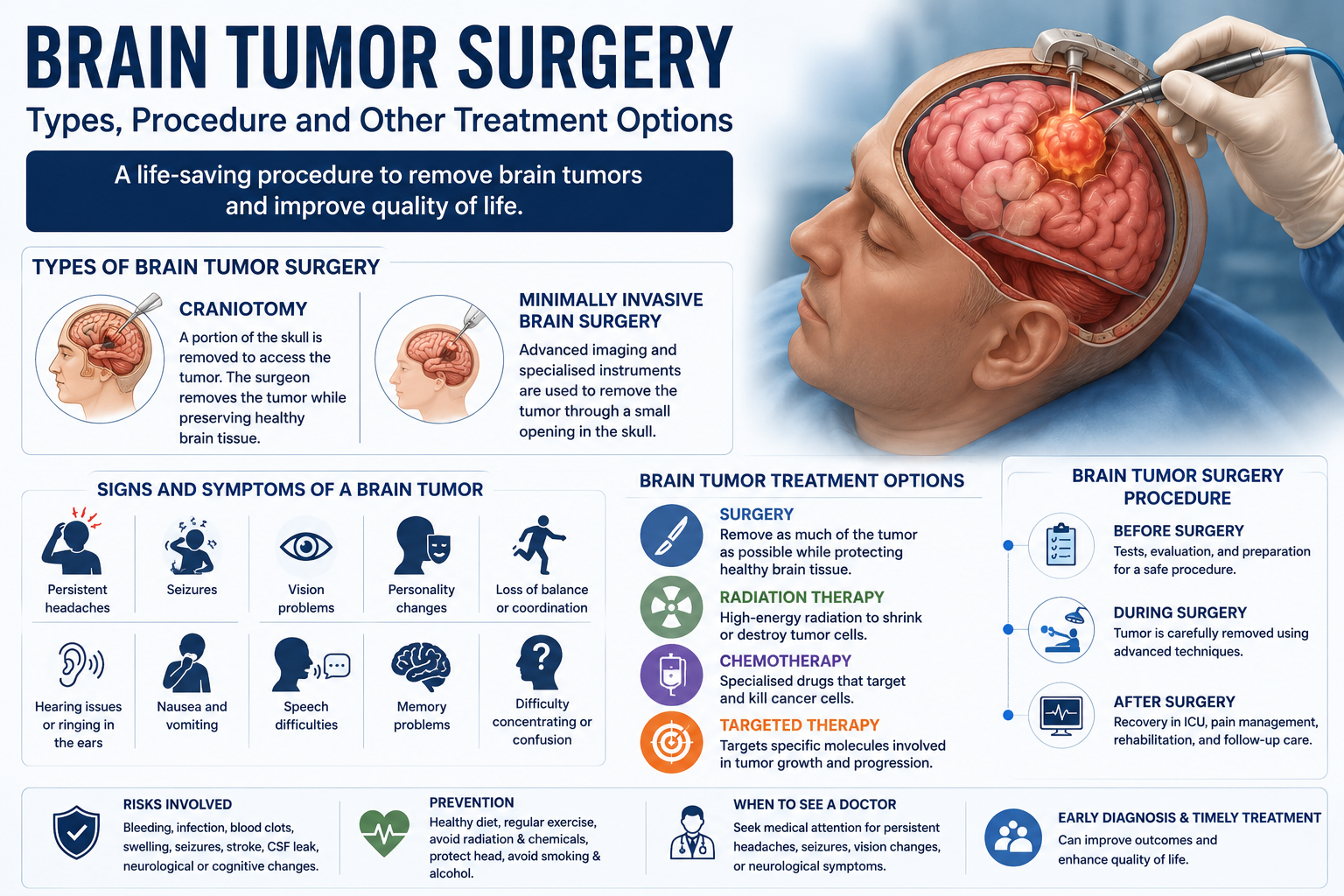
Brain tumours, whether benign or malignant, pose a significant threat to an individual’s health and well-being. Advancements in surgical technology and techniques have made brain tumour surgery a life-saving procedure.
Types of Brain Tumor Surgery
Craniotomy
This is the most common type of brain tumour surgery. In this procedure, a portion of the patient’s skull is temporarily removed to access the tumour. The surgeon then carefully removes the tumour while trying to preserve as much healthy brain tissue as possible.
Minimally Invasive Brain Surgery
This approach involves using advanced imaging techniques and specialised instruments to access and remove the tumour through a small opening in the skull. It is often preferred for tumours located in deep or sensitive brain areas.
Signs and Symptoms of a Brain Tumour
- Persistent headaches
- Seizures
- Double vision, blurred vision, or peripheral vision loss
- Personality changes or mood swings
- Loss of balance or coordination
- Hearing problems or ringing in the ears
- Nausea and vomiting
- Speech difficulties
- Memory problems, difficulty concentrating, or confusion
Diagnosis of Brain Tumour
- Medical history and physical examination
- Blood tests
- MRI, CT scan, or PET scan
- Biopsy
- Lumbar puncture (spinal tap)
- Neurological examination
Brain Tumor Treatment
Surgery
The objective of brain tumour surgery is to remove as much of the tumour as possible while minimising damage to surrounding healthy brain tissue.
Brain Tumor Treatment Without Surgery
- Radiation Therapy
- Chemotherapy
- Targeted Therapy
Risks of Brain Tumor Surgery
- Bleeding in the brain
- Infection
- Blood clots
- Brain swelling
- Stroke
- Seizures
- Cerebrospinal fluid leakage
- Weakness, numbness, speech or vision problems
- Memory loss or confusion
- Functional impairments affecting movement or sensation
Prevention
- Maintain a balanced diet rich in fruits and vegetables
- Regular physical activity
- Avoid excessive exposure to ionising radiation
- Protect your head from injuries
- Avoid smoking and alcohol consumption
- Limit exposure to harmful chemicals and pollutants
- Discuss family history of brain tumours with your doctor
When to See a Doctor
If you experience persistent or worsening symptoms that may indicate a brain tumour, it is crucial to seek medical attention promptly. Early diagnosis and correct treatment can improve the chances of a successful outcome.
Conclusion
Brain tumour surgery has become safer and more effective with advancements in medical technology. Early recognition of symptoms and timely medical care play a vital role in achieving better treatment outcomes.
Gum Disease
By Dr. Minal Patil
(Periodontist / Gum Specialist)
Silent Stroke: Warning Signs and Treatment
What is a Silent Stroke?
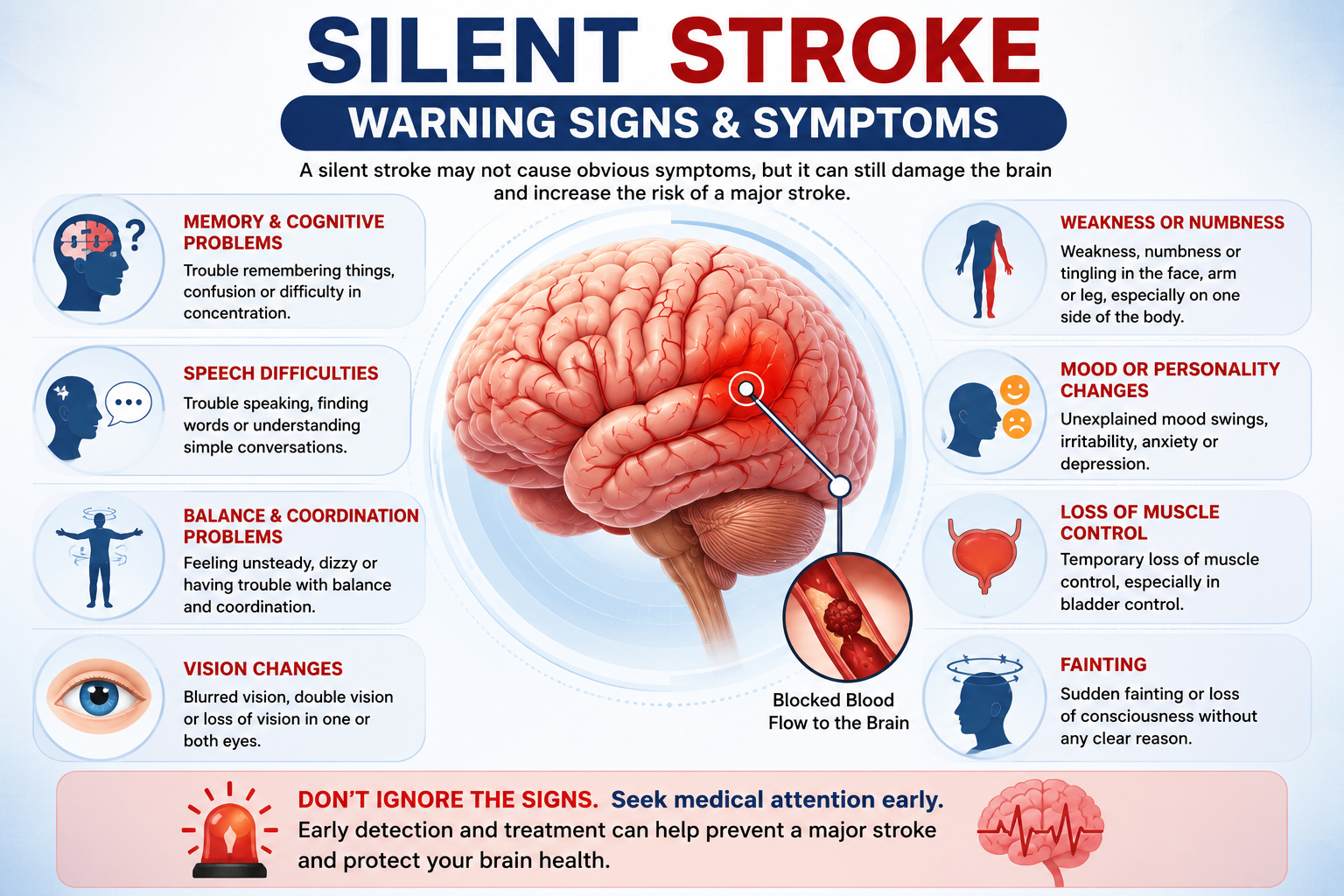
A silent stroke occurs when the blood supply to a part of the brain is suddenly interrupted, depriving brain tissue of oxygen and causing damage to brain cells. Unlike a regular stroke, a silent stroke usually does not produce obvious warning signs or symptoms, making it difficult to detect.
Although symptoms may not be noticeable, silent strokes can affect memory, thinking abilities, and increase the risk of a major stroke in the future.
Symptoms of Silent Stroke
Silent strokes may be associated with the following symptoms:
- Problems with memory and cognitive function
- Temporary loss of muscle control
- Balance problems
- Mood or personality changes
- Speech difficulties
- Loss of sensation, vision, or strength
- Fainting
What to Do When Someone Has a Silent Stroke?
If a silent stroke is suspected:
- Seek immediate medical attention.
- Consult a healthcare professional for evaluation.
- MRI or CT scans may be recommended for diagnosis.
- Follow the prescribed treatment plan.
- Manage risk factors such as high blood pressure, diabetes, and high cholesterol.
- Attend regular follow-up appointments.
When Should You Visit a Doctor?
Consult a doctor immediately if you notice any signs of a stroke or have risk factors such as:
- High blood pressure
- Irregular heartbeat
- Diabetes
- High cholesterol
- Previous history of stroke
Early diagnosis can help prevent serious complications.
Preventing Silent Strokes
The following lifestyle changes can reduce the risk of silent stroke:
- Control high blood pressure and diabetes.
- Maintain healthy cholesterol levels.
- Eat a heart-healthy diet.
- Exercise regularly.
- Maintain a healthy weight.
- Quit smoking and avoid excessive alcohol consumption.
- Have regular health check-ups.
Silent Stroke vs. Mini Stroke
| Silent Stroke | Mini Stroke (TIA) |
|---|---|
| Usually has no noticeable symptoms | Causes temporary stroke-like symptoms |
| May cause permanent brain damage | Usually does not cause permanent damage |
| Often detected through MRI or CT scan | Symptoms usually disappear within 24 hours |
| Increases the risk of future stroke | Considered a warning sign of future stroke |
Conclusion
A silent stroke may occur without noticeable symptoms, but it can still cause permanent brain damage and increase the risk of future strokes. Early diagnosis, proper treatment, and healthy lifestyle changes are essential for reducing stroke risk and protecting long-term brain health.