Common Dental Myths
By Dr. Minal Patil
B.D.S, M.D.S. (Periodontist And Implantologist)
6 Ways You Can Improve Your Mental Health Today
Table of Content
- Fitness first
- Maintain a Gratitude Journal
- Work to live, not live to work
- Indulge yourself
- Unplug
- Seek help
6 Ways You Can Improve Your Mental Health Today
Discussing mental health issues has been a taboo in Indian society. For neurological and physical issues, Indians would seek out the best hospital for neurosurgery and treatment but consulting a therapist, a counsellor, or a psychiatrist still remained under wraps. Much has changed over the past couple of decades. Mental health issues are widespread and we are no longer embarrassed to discuss them or to get help when needed. While nothing can replace professional help there is much you can do to improve your own mental wellbeing. Here we have listed six ways to improve mental health today.
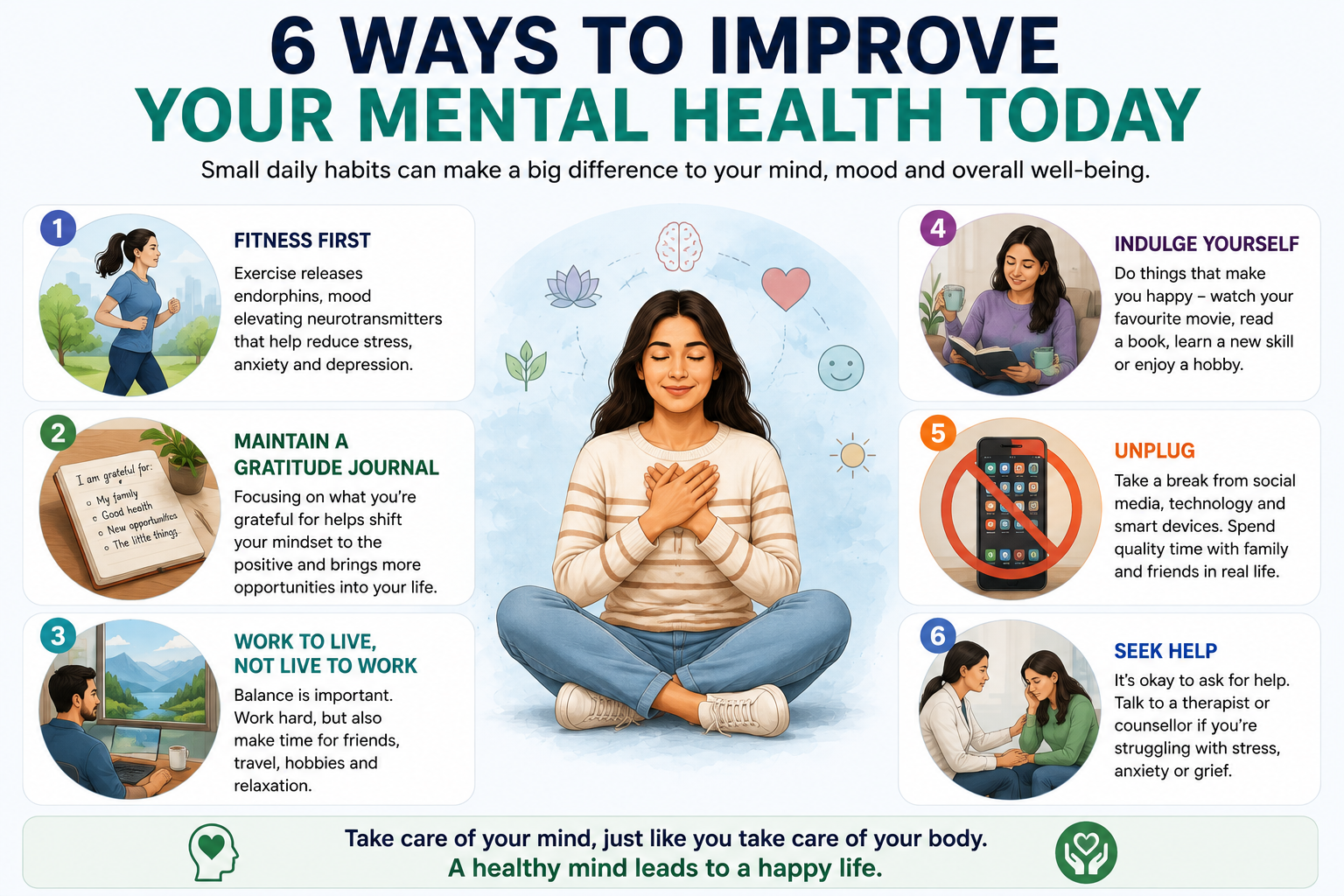
Fitness first
The body, mind, and spirit are connected. Doctors now believe that this may be truer than previously acknowledged. When you follow an exercise regimen you may be doing more than working towards physical fitness. During exercise mood elevating neurotransmitters called endorphins are released. These play a major role in battling anxiety and depression.
Maintain a gratitude journal
New-age thinkers believe that gratitude is the secret to attracting all that we want into our lives. While that may or may not be true, gratitude certainly helps us focus on the positive aspects of our lives and seek more opportunities to explore our potential rather than focus on setbacks.
Work to live, not live to work
Ambition is great but losing focus of our overall well-being in an attempt to get ahead in our careers is not. It is important to work hard but it is also important to have a life. Make friends outside the workplace, and take short getaways and long vacations regularly. Work stress can cause anxiety and depression unless we learn to unplug.
Indulge yourself
It is never too late to catch up on a favourite movie, read the book you have always wanted to, and learn a new skill. These small indulgences have a great effect on the happiness quotient of our lives. Taking a stroll with a pet, signing up for a hobby class, and building a cheat day into your diet may do you a world of good.
Unplug
Social media, technology and smart devices may sound like they have made our lives very easy but they have also isolated us to a great extent. It is important to understand that our lives and friends on social media may not reflect our real lives and friends. Put away that buzzing phone and tablet when you are with family and friends, plan reunions and have a hearty time living a joyful life.
Seek help
If you have a physical problem you will waste no time in seeking out the very best neurosurgeon in India. Your mental health is just as important. Seek out the best hospital for mental health to find the best therapist or psychologist in your neighbourhood if you think you are unable to cope with anxiety, stress, and grief.
Conclusion
Follow, these tips to improve mental health because these things could help you feel more positive and able to get the most out of life.
Gum Disease
By Dr. Minal Patil
(Periodontist / Gum Specialist)
Common Dental Myths
By Dr. Minal Patil
B.D.S, M.D.S. (Periodontist And Implantologist)
6 Signs You’re Struggling with Mental Health Problems
Table of Content
- Types of Mental Health Disorders
- Signs of Poor Mental Health
- Causes of Mental Health Disorders
- Treatment for Mental Health Problems
- Prevention tips for mental illness
- Concluding Advice
- FAQs
Mental and Physical Health is closely related because peace of mind is important to work flawlessly during the day. A disturbed mind takes you nowhere and gives you plenty of health problems. Your mind or brain controls all body functions, and any disturbance in the normal functioning of the brain can lead to serious consequences for your physical health. Mental health affects your physical health in different ways. The disturbed psychological condition can affect your thinking ability to make healthy decisions. Poor mental health also affects the ability to fight chronic health problems. A disturbed mental state can produce numerous signs and symptoms depicting changes in physical health as well.
- If you have been suffering from depression, you can also suffer from other health problems such as high Blood Pressure (BP), diabetes, heart disease, etc.
- Many mental problems, such as Schizophrenia, can increase the risk of respiratory problems and heart problems.
- People who suffer from mental problems can also suffer from sleep-related problems. They find it difficult to fall asleep and remain awake at night for a long time. This can affect their physical health as they will feel tired and weak throughout the day due to lack of or improper sleep at night.
- Many people suffering from mental health problems such as stress and anxiety also suffer from skin problems such as eczema and psoriasis. The symptoms of skin problems aggravate when they feel more stressed. Thus, stress not only affects their skin health but can also affect their overall well-being.
Types of Mental Health Disorders
- Anxiety Disorders: Including panic disorders, phobias, generalised anxiety disorder.
- Mood Disorders: Depression, bipolar disorder.
- Psychotic Disorders: Schizophrenia, delusional disorder.
- Eating Disorders: Anorexia nervosa, bulimia nervosa, binge eating disorder.
- Personality Disorders: Borderline, antisocial, or obsessive-compulsive personality disorders.
- Neurodevelopmental Disorders: ADHD, autism spectrum disorders.
- Trauma and Stressor-Related Disorders: PTSD, acute stress disorder.
Signs of Poor Mental Health
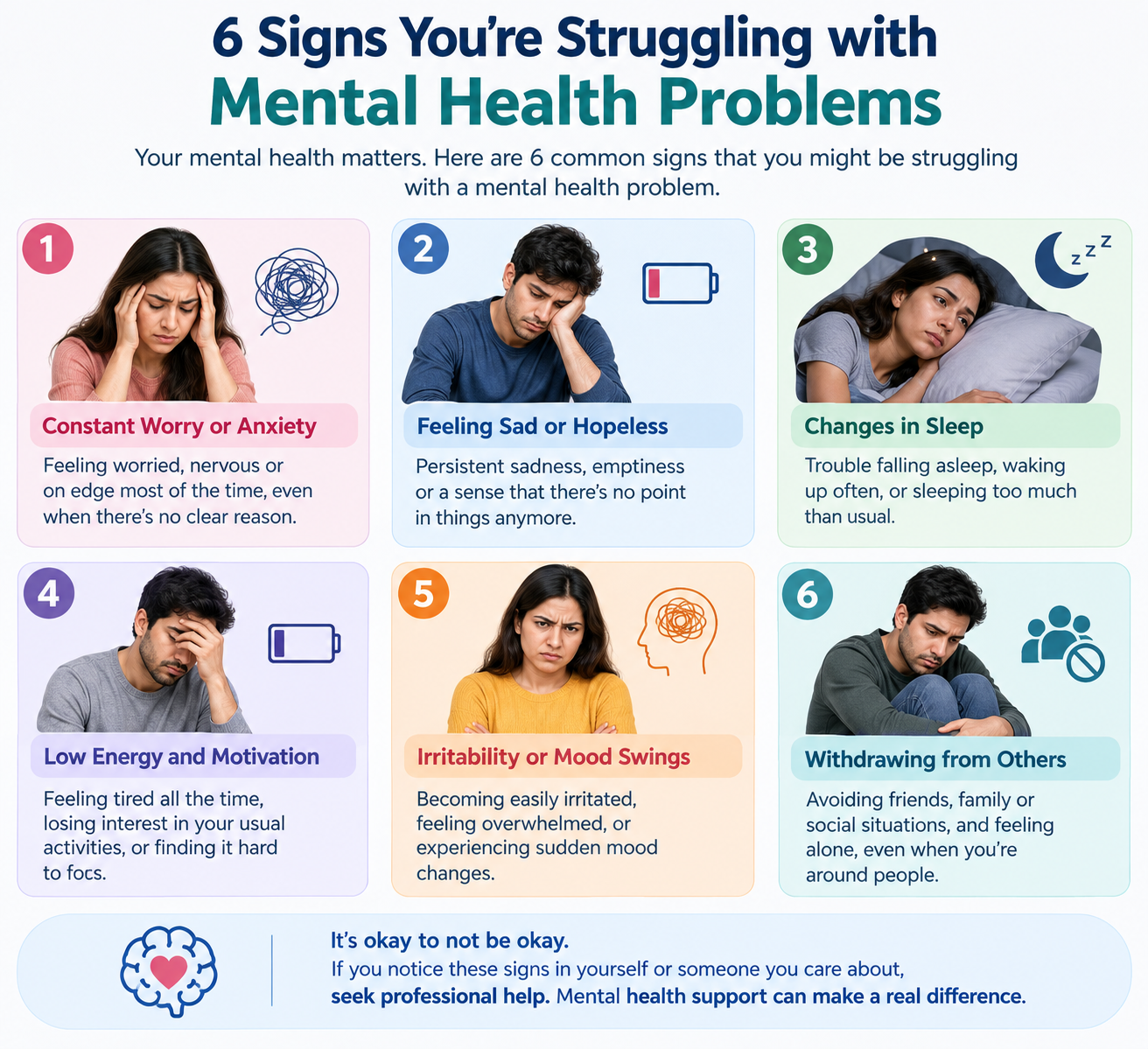
You will experience certain signs and symptoms when you suffer from mental health. The important signs that you are struggling with mental health include the following,
- Irritable Behavior: People suffering from mental problems often show irritable behaviour with their family and friends. They experience anger, irritation, frustration, and sadness. You can become more sensitive and can get affected easily by trivial issues.
- Difficulty in Falling Asleep: If you cannot sleep properly at night, then it could be an indication that you are suffering from a mental illness. If you repeatedly find it difficult to fall asleep or wake up early and then cannot sleep back, you should see a doctor from one of the best psychiatric hospitals in Raipur.
- Loss of Appetite: If you do not want to eat or have no urge to eat, then you may be suffering from some mental problem. Anxiety and depression result in loss of appetite. What you can do is rely on tips to improve mental health.
- No Interest in Life: People who feel sad and depressed do not feel happy doing anything. They do not want to enjoy the company of friends. They do not find excitement or happiness in doing daily chores.
- Experience Physical Problems: The most important sign of mental illness is that you will also suffer from physical problems. You can experience gastric symptoms, increased heart rate, headache, dizziness, etc.
- Feeling Tired and Weak: If you experience tiredness and weakness throughout the day and have no desire to get up and go to work, you might be suffering from some mental issue. You must visit a doctor for a proper diagnosis of the condition.
Causes of Mental Health Disorders
- Biological Factors: Genetics, brain chemistry, and hormonal imbalances can predispose individuals to mental health conditions.
- Environmental Factors: Traumatic events, abuse, neglect, or exposure to violence can contribute to mental health problems.
- Psychological Factors: Persistent stress, trauma, and coping mechanisms can impact mental well-being.
- Substance Abuse: Drug or alcohol abuse can exacerbate or trigger mental health issues.
- Life Experiences: Long-term isolation, chronic illness, or major life changes can affect mental health.
Treatment for Mental Health Problems
- Psychotherapy: Cognitive-behavioural therapy, psychoanalysis, interpersonal therapy.
- Medication: Antidepressants, anti-anxiety medications, mood stabilisers.
- Hospitalisation: In severe cases or during acute episodes.
- Support Groups: Peer support can be beneficial.
- Lifestyle Changes: Healthy diet, regular exercise, stress management techniques.
- Brain Stimulation Therapies: Electroconvulsive therapy (ECT), transcranial magnetic stimulation (TMS).
Seeking professional help is vital for managing mental health conditions. Treatment plans are often individualised and may involve a combination of therapies tailored to the specific disorder and the patient’s needs.
Prevention tips for mental illness
Preventing mental illness entirely is not sure, but there are steps you can take to manage your mental health and minimize symptoms if you already have a mental illness. Here are some guidelines to consider:
- Recognize Warning Signs: Pay attention to signs that your mental health may be deteriorating. Collaborate with your doctor or therapist to identify triggers and create a plan for how to respond if your symptoms return. Consider involving loved ones to help spot warning signs.
- Prioritize Regular Medical Checkups: Make sure you don’t miss appointments with your primary care provider, especially if you’re not feeling well. This is important because you might have new health issues that need attention or you could be experiencing side effects from your medication.
- Seek Help When Necessary: Don’t wait until your symptoms become severe. Mental health conditions can be more challenging to treat if you delay seeking help. Long-term treatment can also help in preventing symptom relapses.
- Self-Care Matters: Taking care of your overall well-being is crucial:
- Get Enough Sleep: Aim for adequate sleep each night. If you have trouble sleeping, discuss it with your primary care provider.
- Eat Healthily: Maintain a balanced diet and consult your healthcare provider if you have questions about your dietary choices.
- Stay Physically Active: Regular exercise is essential for your physical and mental health.
- Stick to a Routine: Having a consistent daily schedule can help stabilize your mental health.
Concluding Advice
Mental health and physical health are dependent on each other. You can enjoy good physical health only if you are mentally stable and healthy. Thus, employ healthy mental habits to enjoy good physical health. Contact your doctor for proper advice, diagnosis, and treatment if necessary.
Gum Disease
By Dr. Minal Patil
(Periodontist / Gum Specialist)