Common Dental Myths
By Dr. Minal Patil
B.D.S, M.D.S. (Periodontist And Implantologist)
Fainting vs Seizure: Understand the Difference
What is Fainting (Syncope)?
Fainting, also known as syncope, is a sudden and temporary loss of consciousness caused by reduced blood flow to the brain. Most people recover quickly once normal blood flow returns.
Common causes include:
- Dehydration
- Low blood pressure
- Anxiety or stress
- Standing up too quickly
- Heart-related conditions
What is a Seizure?
A seizure occurs due to a sudden, abnormal electrical activity in the brain. It can temporarily affect consciousness, movement, sensation, or behaviour.
Symptoms vary depending on the type of seizure and the area of the brain involved.
Symptoms
Symptoms of Fainting
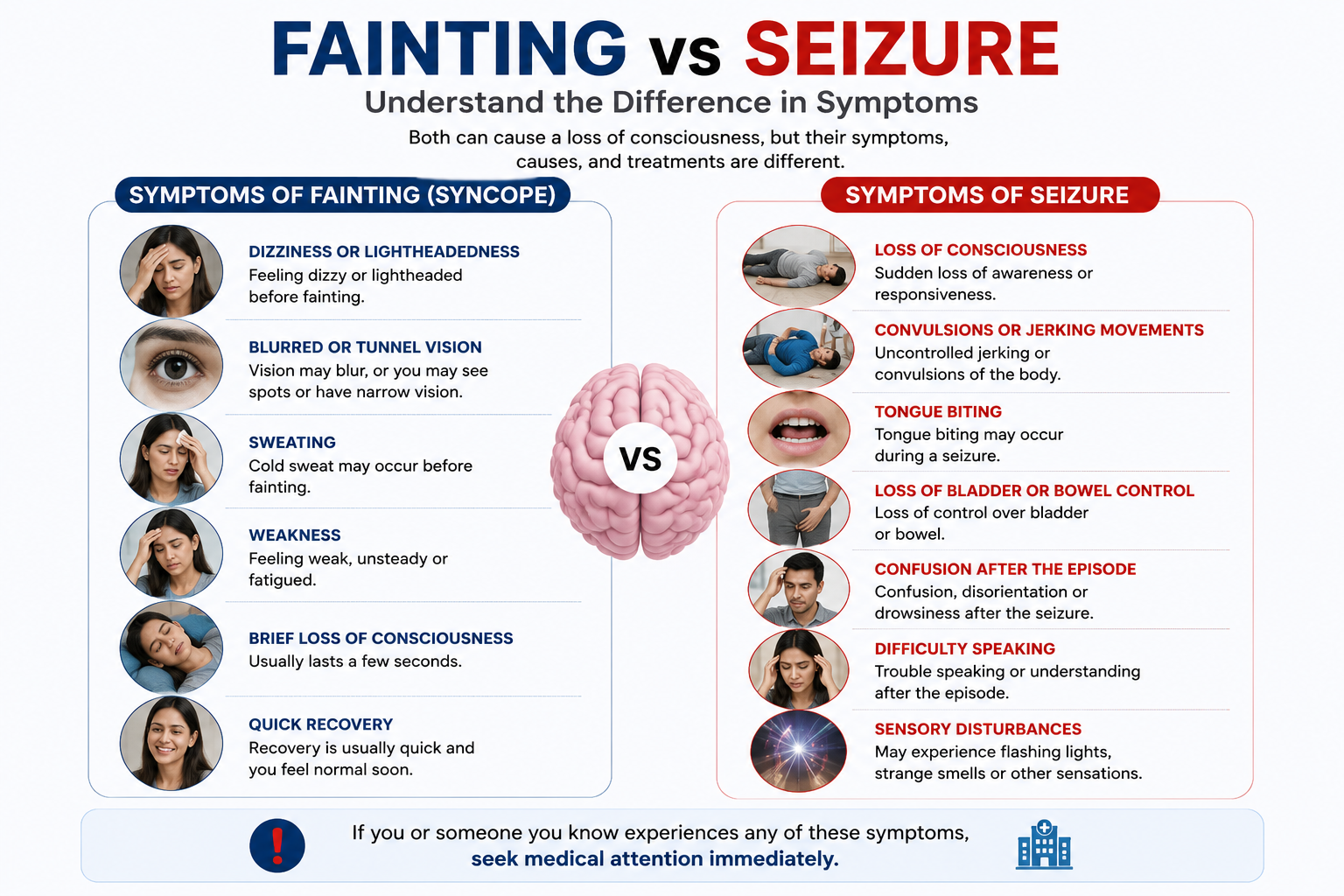
- Sudden loss of consciousness
- Dizziness or lightheadedness
- Weakness
- Blurred or tunnel vision
- Feeling unsteady while standing
- Sweating
- Headache
- Brief collapse with quick recovery
Symptoms of Seizure
- Loss of consciousness
- Convulsions or jerking movements
- Muscle stiffness
- Tongue biting
- Loss of bladder or bowel control
- Confusion after the episode
- Difficulty speaking
- Sensory disturbances (flashing lights or unusual smells)
Causes
Causes of Fainting
- Dehydration
- Low blood pressure
- Emotional stress
- Heart conditions
- Standing for a long time
Causes of Seizure
- Abnormal electrical activity in the brain
- Epilepsy
- Brain injury
- Brain infections
- High fever (especially in children)
- Stroke or neurological disorders
Fainting vs Seizure: Key Differences
| Feature | Fainting (Syncope) | Seizure |
|---|---|---|
| Cause | Reduced blood flow to the brain | Abnormal electrical activity in the brain |
| Duration | Few seconds | Usually 1–3 minutes |
| Recovery | Quick recovery | Confusion may last several minutes |
| Movements | Rare, brief jerks | Convulsions and repeated jerking |
| Diagnosis | ECG, Blood Pressure Tests | EEG, MRI, CT Scan |
Diagnosis
Doctors may recommend:
- Physical examination
- Medical history
- Blood tests
- Electroencephalogram (EEG)
- ECG
- MRI or CT Scan
These tests help identify whether the episode was caused by fainting or a seizure.
Treatment and Recovery
Treatment depends on the underlying cause.
Fainting
- Drink enough fluids
- Treat low blood pressure
- Manage heart conditions if present
- Lifestyle modifications
Seizure
- Anti-seizure medications
- Treatment of the underlying neurological condition
- Regular follow-up with a neurologist
When Should You Consult a Doctor?
Seek immediate medical attention if:
- Loss of consciousness lasts longer than a few minutes.
- The person has repeated seizures.
- There is tongue biting or loss of bladder control.
- The episode occurs during exercise.
- There is chest pain or breathing difficulty.
- Recovery is delayed or confusion persists.
Conclusion
Although fainting and seizures may appear similar because both can cause sudden loss of consciousness, they are different medical conditions with different causes and treatments. Early diagnosis and timely medical care are essential to identify the underlying condition and prevent future complications.
Common Dental Myths
By Dr. Minal Patil
B.D.S, M.D.S. (Periodontist And Implantologist)
Tension Headache: Symptoms, Causes, Treatment and Home Remedies
Table of Contents
- What is a Tension Headache?
- Types of Tension Headaches
- Causes of Tension Headaches
- Symptoms of Tension Headaches
- Diagnosis
- Treatment
- When to See a Doctor
- Prevention
- Home Remedies
- Conclusion
What is a Tension Headache?
A tension headache is the most common type of headache. It usually causes mild to moderate pain that feels like a tight band around the head, creating pressure on the forehead and temples.
Although the exact cause is unknown, stress is considered the most common trigger. Unlike migraines, tension headaches usually do not cause nausea, vomiting, or visual disturbances.
Types of Tension Headaches
Episodic Tension Headache
- Occurs less than 15 days per month
- Lasts from 30 minutes to one week
- Mild to moderate pressure around the head
- Does not usually worsen with physical activity
Chronic Tension Headache
- Occurs more than 15 days per month for at least three months
- May last for several hours or be continuous
- Can significantly affect daily activities
- May be associated with mild nausea
Causes of Tension Headaches
Common causes include:
- Stress, anxiety, or depression
- Muscle tension in the neck and scalp
- Poor posture
- Long hours working on a computer
- Eye strain
- Smoking
- Alcohol consumption
- Excessive caffeine or caffeine withdrawal
- Cold, flu, or sinus infections
- Poor sleeping posture
- Temporomandibular Joint (TMJ) disorders
Symptoms of Tension Headaches
Common symptoms include:
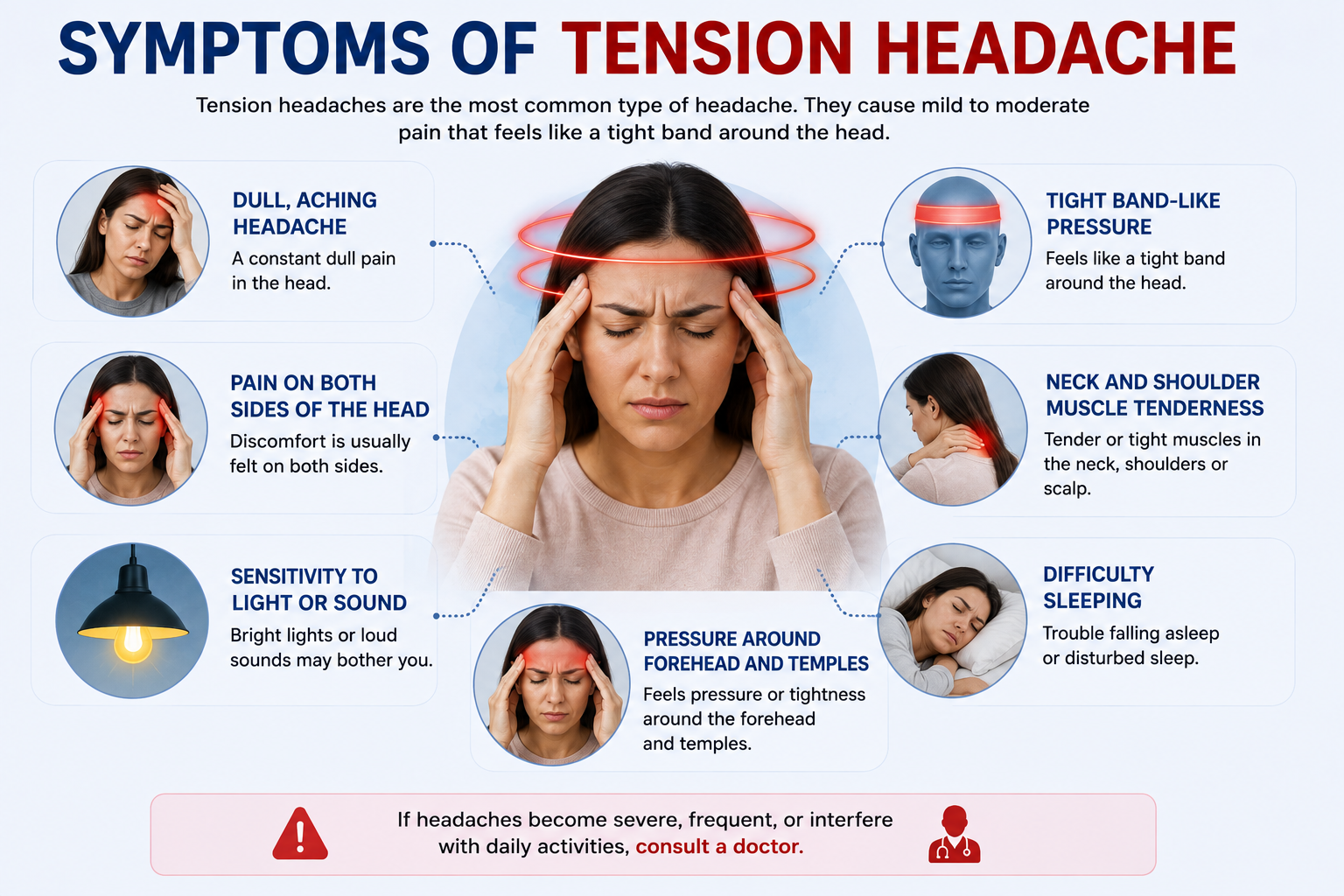
- Dull, aching headache
- Tight band-like pressure around the head
- Pain on both sides of the head
- Tenderness in the scalp, neck, or shoulder muscles
- Mild to moderate headache intensity
- Sensitivity to light or sound
- Difficulty sleeping
Diagnosis
Doctors diagnose tension headaches based on:
- Medical history
- Physical examination
- Headache pattern evaluation
- Blood tests (if required)
- MRI or CT Scan (to rule out other causes)
- Sinus X-ray (when necessary)
Treatment
Medications
- Over-the-counter pain relievers
- Prescription medications for frequent headaches
- Preventive medicines when recommended
Non-Medication Treatments
- Stress management
- Lifestyle modifications
- Biofeedback therapy
- Cognitive Behavioural Therapy (CBT)
- Massage therapy
- Chiropractic care
- Acupuncture
When to See a Doctor
Seek immediate medical attention if:
- Sudden severe headache develops
- Headache is associated with confusion or slurred speech
- Vision changes occur
- Headache pattern changes after the age of 50
- Pain worsens while lying down or standing
- Pain medicines are needed more than three days a week
- Headaches become persistent or worsen
Prevention
You can reduce the risk of tension headaches by:
- Managing stress effectively
- Exercising regularly
- Drinking plenty of water
- Eating a balanced diet
- Maintaining a regular sleep schedule
- Limiting caffeine intake
- Avoiding smoking
- Taking regular breaks during computer work
Home Remedies
Simple home remedies include:
- Stay well hydrated
- Apply a warm or cold compress
- Rest in a quiet, dark room
- Gentle neck and temple massage
- Deep breathing and meditation
- Aromatherapy with peppermint or lavender oil
- Moderate caffeine intake (if suitable)
Conclusion
Tension headaches are common and usually manageable with lifestyle changes, stress management, and appropriate treatment. Identifying triggers early and following healthy habits can help reduce their frequency and improve quality of life. If headaches become severe, frequent, or interfere with daily activities, consult a neurologist for proper evaluation and treatment.
Common Dental Myths
By Dr. Minal Patil
B.D.S, M.D.S. (Periodontist And Implantologist)
Idiopathic Intracranial Hypertension: Symptoms, Causes and Treatment
Table of Content
- What is Idiopathic Intracranial Hypertension?
- Types of Intracranial Hypertension
- Causes of Idiopathic Intracranial Hypertension
- Symptoms of Idiopathic Intracranial Hypertension
- Diagnosis
- Treatment for Idiopathic Intracranial Hypertension
- When to See a Doctor
- Prevention
- Conclusion
- FAQs
Idiopathic intracranial hypertension (IIH) is a rare condition that affects the pressure inside the skull, causing a range of troublesome symptoms. Living with idiopathic intracranial hypertension can be challenging, but understanding this condition and knowing how to manage it can make a big difference in daily life. Let’s explore how doctors diagnose and treat this condition when to seek medical help, and ways to prevent it.
What is Idiopathic Intracranial Hypertension?
Idiopathic intracranial hypertension (IIH) is a condition characterised by high pressure around the brain. This increased pressure affects various aspects of a person’s health, particularly their vision and comfort. The term “idiopathic” itself means the cause is unknown, “intracranial” refers to the location within the skull, and “hypertension” indicates high pressure.
Types of Intracranial Hypertension
IIH is a complex condition that can be categorised into different types based on its presentation and underlying factors:
- Primary IIH: It occurs when no specific cause can be identified for the increased pressure on the brain. This form is the most common and is often associated with obesity, particularly in women of childbearing age.
- Acute Intracranial Hypertension: It develops suddenly, often due to accidents or strokes.
- Chronic Intracranial Hypertension: It builds over time and may result from health issues such as blood clots, brain tumours, or certain medications.
Causes of Idiopathic Intracranial Hypertension
The exact cause of IIH remains unknown, hence the term “idiopathic”. However, researchers have identified several risk factors and potential contributors to this condition. These include:
- Obesity: It is one of the most dominant risk factors for IIH, particularly in women of childbearing age.
- Gender: IIH cases occur more in women.
- Medical Conditions: Endocrine disorders, such as Addison’s disease and hypoparathyroidism, vitamin A intoxication, or hypervitaminosis A, have been associated with intracranial hypertension.
- Medications: Tetracycline antibiotics, nitrofurantoin, lithium, and thyroid replacement therapy in hypothyroid children have also been linked with the condition.
Symptoms of Idiopathic Intracranial Hypertension
IIH has a range of symptoms that can impact daily life, including:
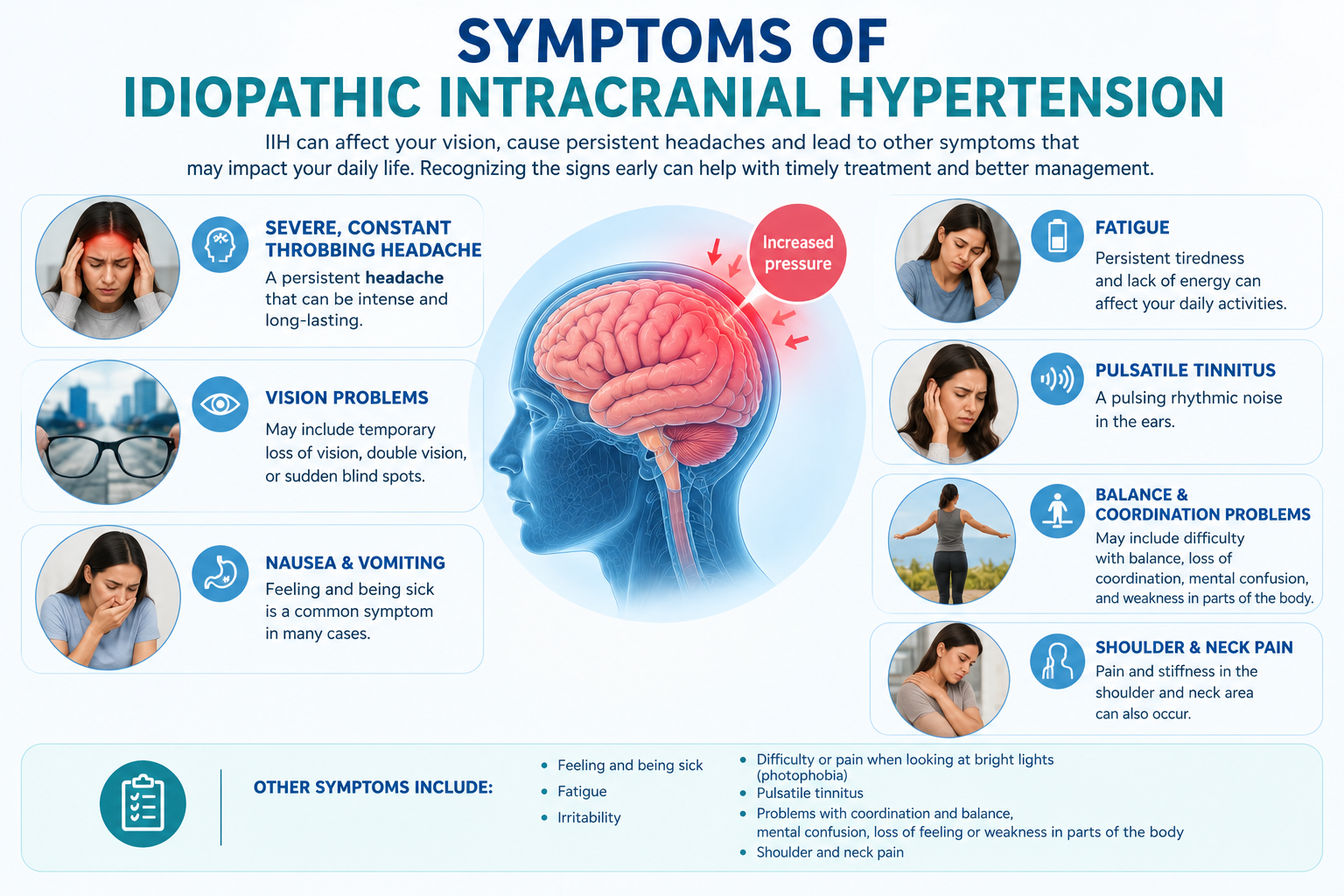
- Severe, constant throbbing headache
- Headache tends to be worse in the morning or when coughing and straining, but it may improve when standing up.
- Some individuals experience such intense headaches that they are awakened from sleep.
- Vision problems like temporary loss of vision, double vision, or sudden blind spots.
- In severe IIH cases, there can be a loss of peripheral (side) vision or even temporary blindness.
Other intracranial hypertension symptoms include:
- Feeling and being sick
- Fatigue
- Irritability
- Difficulty or pain when looking at bright lights, a condition known as photophobia
- Pulsatile tinnitus (a pulsing rhythmic noise in the ears)
- Problems with coordination and balance, mental confusion, loss of feeling or weakness in parts of the body
- Shoulder and neck pain
Diagnosis
The diagnostic process typically involves seeing both a neurologist and an ophthalmologist.
- The neurologist will conduct a physical examination to check functions like muscle strength, reflexes, and balance.
- An ophthalmologist performs a dilated eye exam to examine the back of the eye and a visual field test to assess peripheral vision. These tests are crucial for detecting signs of IIH, such as papilloedema (swelling of the optic nerves).
- Brain imaging, such as CT or MRI imaging, can exclude other potential causes of intracranial hypertension, like brain tumours or blood clots. These scans should appear normal in cases of IIH.
- A lumbar puncture (spinal tap) is a key diagnostic tool. This procedure measures the pressure of the cerebrospinal fluid (CSF) surrounding the brain & spinal cord.
- To confirm a diagnosis of IIH, doctors look for five specific criteria:
- Papilloedema
- Normal neurological examination (except for possible double vision)
- Normal brain imaging
- Normal CSF analysis
- Elevated lumbar puncture opening pressure
A diagnosis of IIH can be confirmed if all these criteria are met and no other cause is found.
Treatment for Idiopathic Intracranial Hypertension
- Weight Loss: Studies have shown that a significant reduction in body weight can decrease intracranial pressure, improve symptoms, and even put IIH into remission.
- Medical Treatments: They include the use of acetazolamide, a diuretic that reduces cerebrospinal fluid production and improves visual function.
- Surgery: When conservative idiopathic intracranial hypertension treatments are unsuccessful, doctors may recommend the following surgeries.
- Shunt Surgery: Excess cerebrospinal fluid is diverted to another part of the body.
- Optic Nerve Sheath Fenestration: It involves creating a small window in the sheath around the optic nerve to relieve pressure.
- Venous Sinus Stenting: This procedure involves placing a stent to widen narrowed venous sinuses, potentially reducing intracranial pressure.
When to See a Doctor
Seek emergency care if you have:
- Sudden severe headaches
- Changes in vision
- Confusion
- Weakness
- A head injury with a high temperature
Prevention
While idiopathic intracranial hypertension cannot be entirely prevented, there are measures one can take to bring down their risk. These include:
- Managing Weight: The most effective preventive measure is maintaining a healthy weight.
- Adopting a Healthy Diet & Regular Exercise: These lifestyle changes not only help prevent idiopathic intracranial hypertension but also offer broader health benefits, potentially reducing an individual’s susceptibility towards heart disease, stroke, and diabetes.
- Managing Other Risk Factors: If you have conditions that increase your risk of intracranial hypertension, such as iron-deficiency anaemia, it’s essential to manage them effectively.
Conclusion
Living with idiopathic intracranial hypertension can be challenging. However, understanding the condition and knowing how to manage it can make a big difference in daily life. From maintaining a healthy weight to seeking prompt medical attention when symptoms arise, there are several ways to tackle this condition head-on. Regular check-ups with doctors and staying on top of treatment plans are key to managing symptoms and preserving vision.