Common Dental Myths
By Dr. Minal Patil
B.D.S, M.D.S. (Periodontist And Implantologist)
Understanding Bipolar Depression
What is Bipolar Depression?
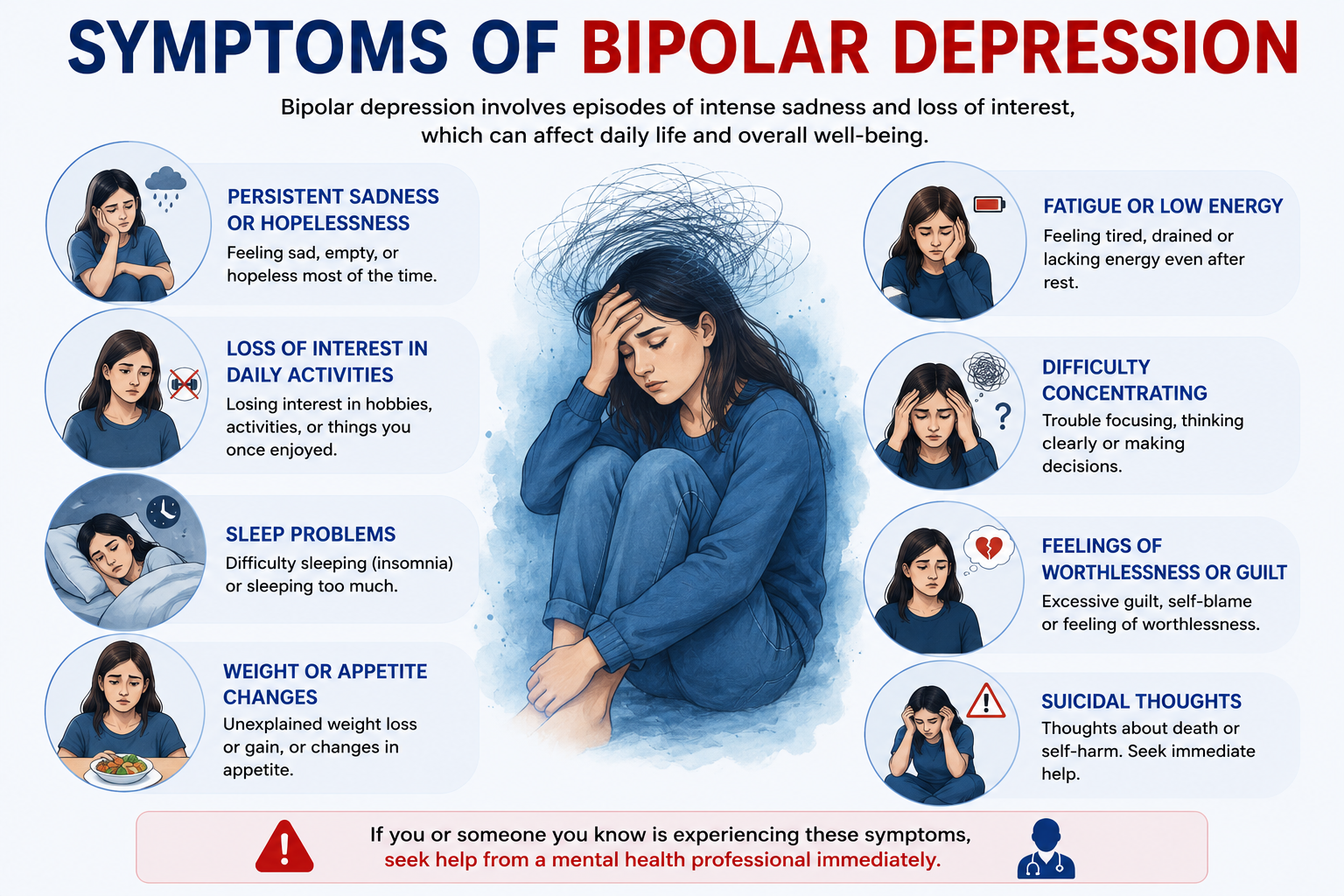
Bipolar disorder, previously known as manic depression, is a mental health condition that causes extreme mood swings, including emotional highs (mania or hypomania) and emotional lows (depression).
During depressive episodes, a person may feel sad, hopeless, and lose interest in daily activities. During manic or hypomanic episodes, they may feel unusually energetic, euphoric, or irritable. These mood changes can affect thinking, behaviour, relationships, and daily life.
Although bipolar disorder is a lifelong condition, its symptoms can be effectively managed with medications, psychotherapy, and regular medical care.
Symptoms of Bipolar Depression
Common symptoms include:
- Persistent sadness or hopelessness
- Loss of interest in daily activities
- Unexplained weight loss or weight gain
- Changes in appetite
- Difficulty sleeping (Insomnia) or excessive sleeping
- Fatigue or low energy
- Restlessness or slowed movements
- Difficulty concentrating or making decisions
- Feelings of worthlessness or excessive guilt
- Suicidal thoughts or self-harm thoughts
Types of Bipolar Disorder
Bipolar I Disorder
- At least one manic episode
- Usually followed or preceded by major depressive episodes
- May include psychosis
Bipolar II Disorder
- At least one hypomanic episode
- One or more major depressive episodes
- No full manic episodes
Cyclothymic Disorder
- Repeated episodes of hypomania and mild depression lasting for at least two years.
Mania and Hypomania
Symptoms may include:
- Extremely high energy
- Elevated or irritable mood
- Reduced need for sleep
- Increased talking
- Racing thoughts
- Impulsive or risky behaviour
- Poor judgement
- Increased self-confidence
Severe mania may require hospitalization.
Major Depressive Episode
A major depressive episode usually includes five or more of the following symptoms:
- Persistent sadness or hopelessness
- Loss of interest in enjoyable activities
- Appetite or weight changes
- Sleep disturbances
- Fatigue or lack of energy
- Difficulty concentrating
- Feelings of guilt or worthlessness
- Slow or restless movements
- Thoughts of death or suicide
Prevention
Although bipolar disorder cannot be prevented, early diagnosis and treatment can help manage symptoms effectively.
Helpful strategies include:
- Take medications exactly as prescribed.
- Attend regular psychiatric follow-up appointments.
- Avoid alcohol and recreational drugs.
- Maintain a healthy sleep routine.
- Identify and avoid personal triggers.
- Seek support from family and friends.
- Recognise early warning signs and consult your doctor promptly.
Conclusion
Bipolar depression is a long-term mental health condition that requires ongoing treatment and support. With the right combination of medication, psychotherapy, healthy lifestyle habits, and regular medical follow-up, many individuals with bipolar disorder can successfully manage their symptoms and lead productive lives.
Gum Disease
By Dr. Minal Patil
(Periodontist / Gum Specialist)
Common Dental Myths
By Dr. Minal Patil
B.D.S, M.D.S. (Periodontist And Implantologist)
Attention Deficit Hyperactivity Disorder (ADHD)
What is Attention Deficit Hyperactivity Disorder (ADHD)?
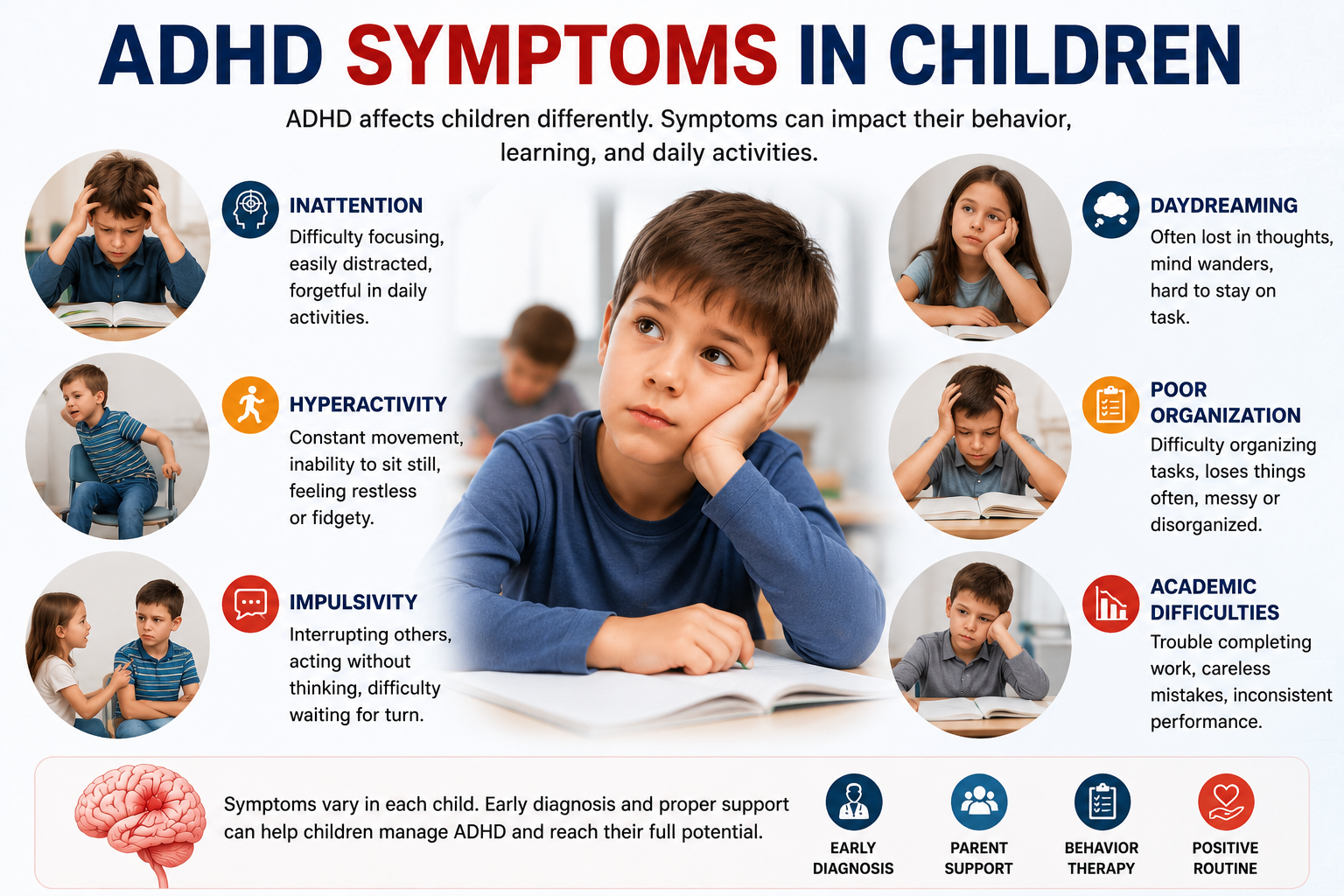
Attention Deficit Hyperactivity Disorder (ADHD) is a neurodevelopmental disorder that affects attention, focus, self-control, and behaviour. It is commonly diagnosed during childhood and may continue into adolescence and adulthood.
Children with ADHD often find it difficult to concentrate, remain still, control impulsive behaviour, and complete daily tasks. ADHD is more common in boys, although it can affect both boys and girls.
Symptoms of ADHD
Common symptoms of ADHD include:
- Difficulty paying attention and concentrating
- Making careless mistakes in school or daily activities
- Inability to sit still for long periods
- Frequent daydreaming
- Easily distracted or forgetful
- Restlessness and fidgeting
- Excessive talking
- Interrupting others while speaking
- Difficulty following instructions
- Trouble waiting for their turn
- Difficulty making friends
- Impulsive behaviour
Symptoms in Adults
Adults with ADHD may experience:
- Poor time management
- Mood swings
- Impulsiveness
- Difficulty coping with stress
- Relationship problems
- Procrastination
- Difficulty staying organised
Causes of ADHD
Although the exact cause of ADHD is unknown, several factors may increase the risk, including:
- Genetic factors (family history)
- Brain injury or trauma
- Premature birth or low birth weight
- Alcohol, tobacco, or drug use during pregnancy
- Poor nutrition or infections during pregnancy
- Exposure to environmental toxins such as lead
Types of ADHD
ADHD is generally classified into the following types:
Predominantly Inattentive Type
Difficulty paying attention, staying organised, and completing tasks.
Predominantly Hyperactive-Impulsive Type
Excessive activity, restlessness, impulsive behaviour, and difficulty sitting still.
Combined Type
A combination of inattentive and hyperactive-impulsive symptoms. This is the most common type of ADHD.
Diagnosis of ADHD
There is no single test to diagnose ADHD.
Diagnosis usually includes:
- Medical examination
- Vision and hearing assessment
- Behavioural evaluation
- Psychological assessment
- Information from parents, teachers, and caregivers
Treatment of ADHD
Treatment usually involves a combination of:
- Behavioural therapy
- Medication (when recommended)
- Parent training
- Counselling
- Healthy diet
- Reduced screen time
- Regular physical activity
Early treatment can significantly improve learning, behaviour, and social skills.
Complications of ADHD
Without proper treatment, ADHD may lead to:
- Low self-esteem
- Anxiety and depression
- Sleep problems
- Eating disorders
- Substance abuse
- Risk-taking behaviour
- Academic difficulties
Tips to Manage ADHD
The following strategies may help manage ADHD symptoms:
- Maintain a daily routine.
- Use reminders and calendars.
- Exercise regularly.
- Get adequate sleep.
- Eat a balanced diet.
- Practice mindfulness or meditation.
- Attend counselling or support groups.
- Follow your doctor’s treatment plan.
Conclusion
Attention Deficit Hyperactivity Disorder (ADHD) is a common neurodevelopmental condition that affects both children and adults. Early diagnosis, proper treatment, behavioural therapy, and healthy lifestyle changes can help individuals successfully manage ADHD symptoms and improve their quality of life.
Gum Disease
By Dr. Minal Patil
(Periodontist / Gum Specialist)